Welcome to the ISS/DQA Platforms
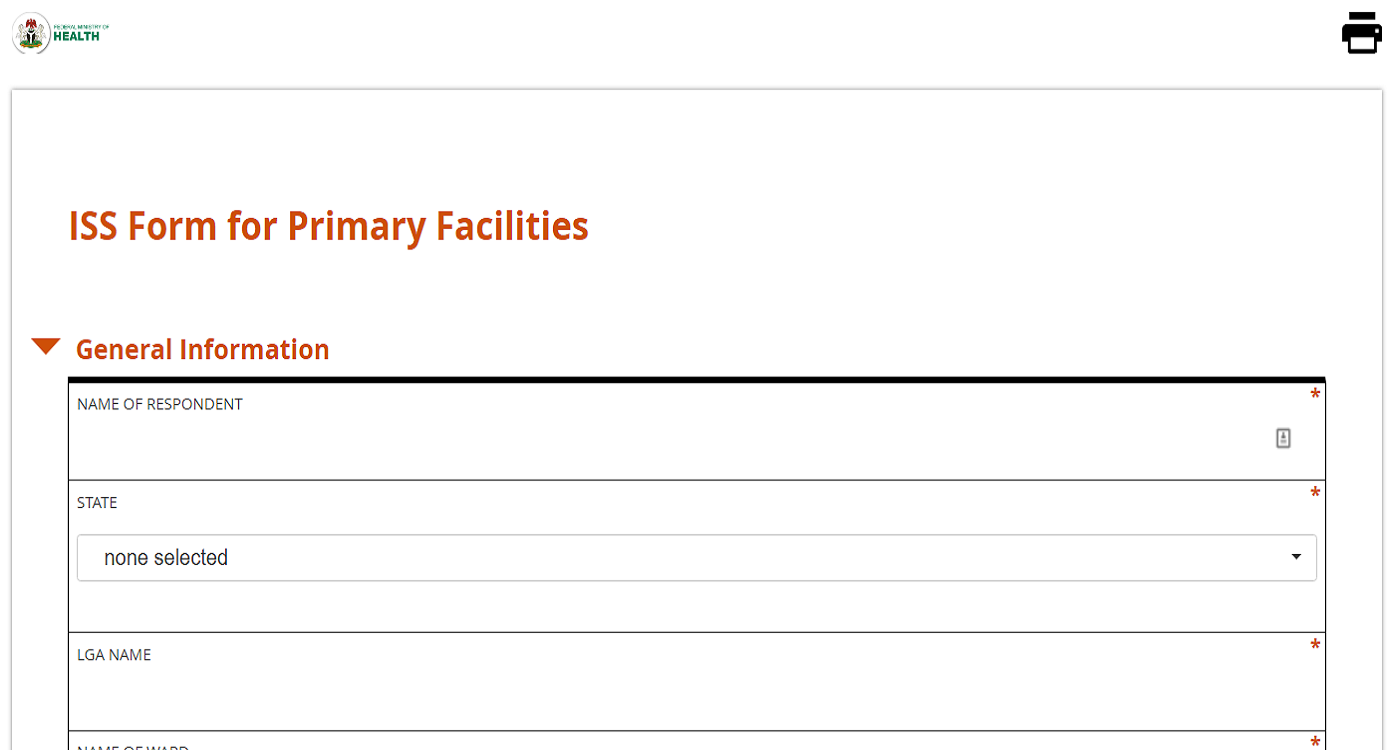
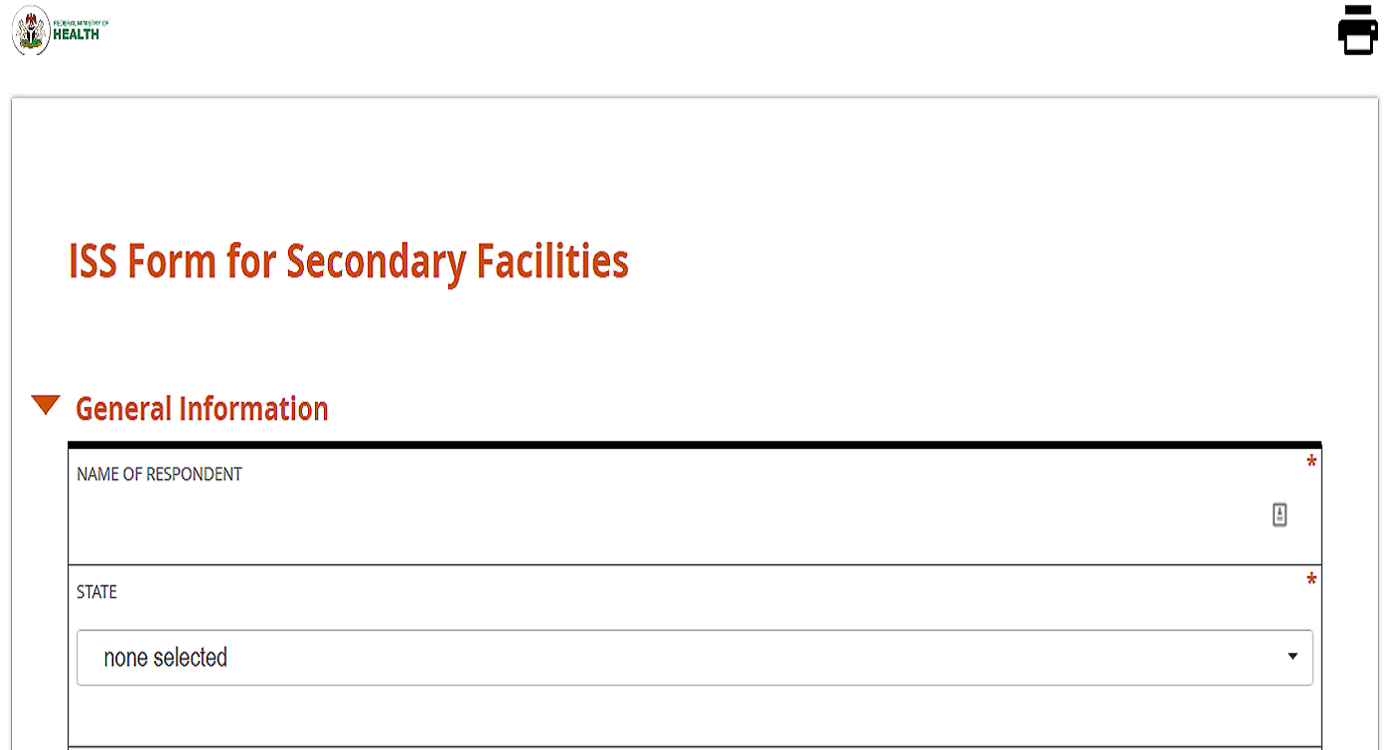
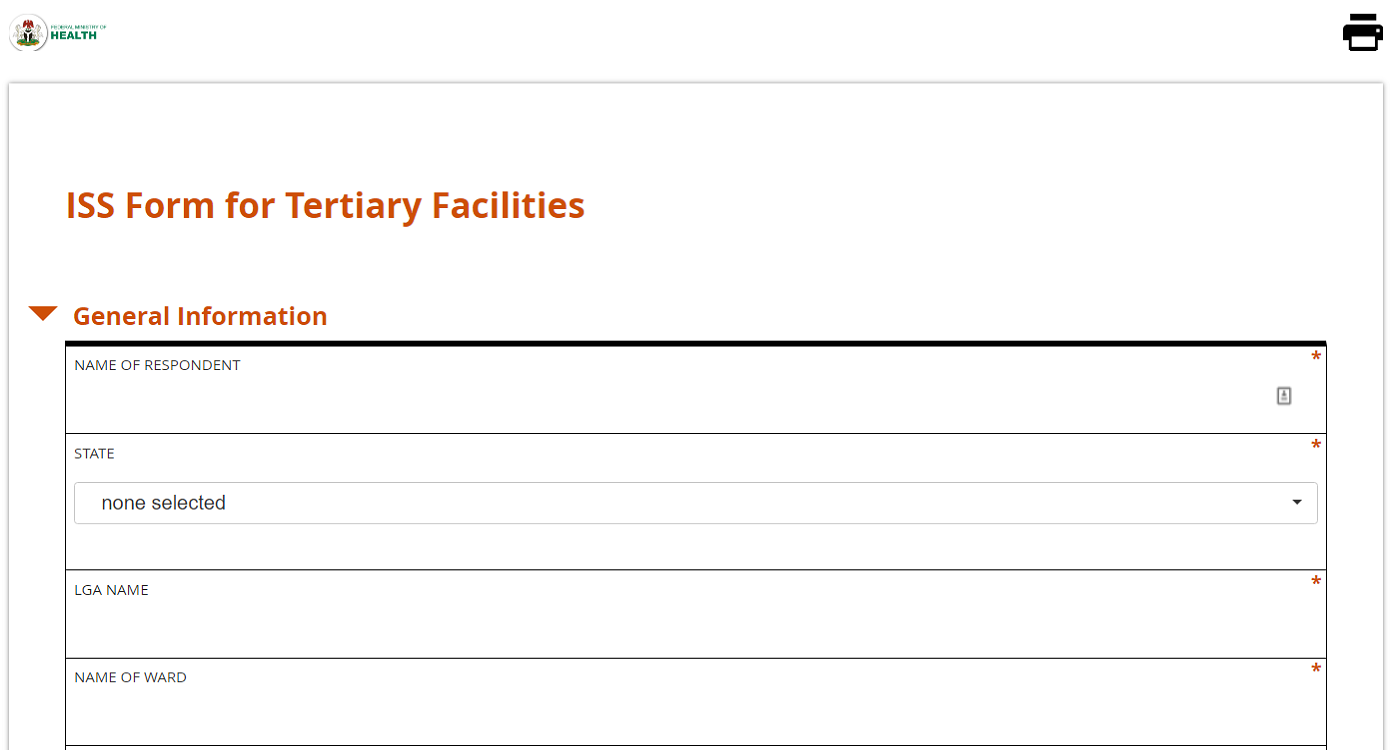
Integrated Supportive Supervision (ISS) is conducted by the Federal Government and organizations to ensure management of resources and best delivery of healthcare services in health facilities. It involves inspecting, controlling and giving support to health workers, to improve their skills and performance, and ultimately, health service delivery.
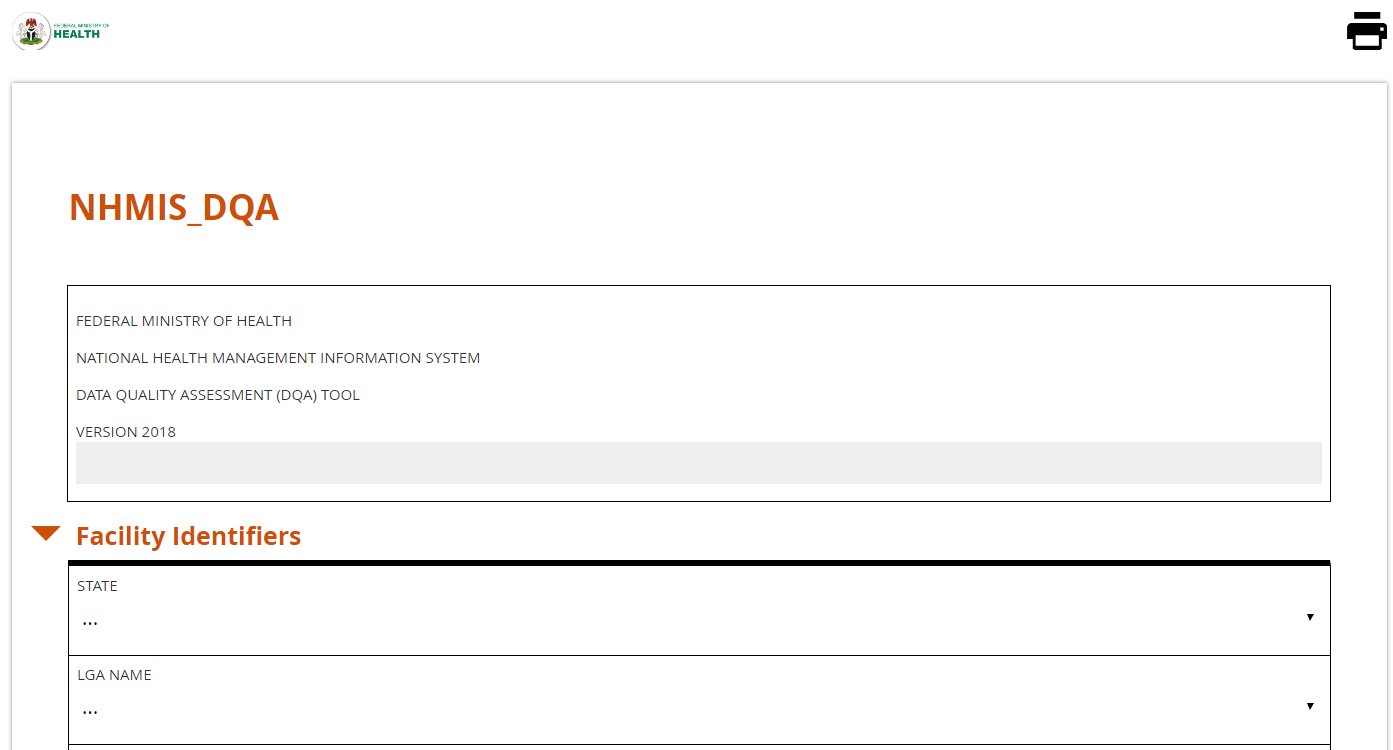
However, in Nigeria, there was poor coordination of the various integrated supportive supervisions held in the country and there were numerous ISS tools owned by partners. This led to a huge multiplicity of efforts and a waste of limited resources by health partners and the Federal Ministry of Health. To curb this, the Federal Ministry of Health collaborated with health partners to develop comprehensive national ISS tools at the primary, secondary and tertiary health levels to be used by the Federal Ministry of Health and all health partners. The Data Quality Assessment (DQA) tool has also been recently reviewed by health partners and a more updated version has been developed. This will ensure the quality of NHMIS data at all data management levels.
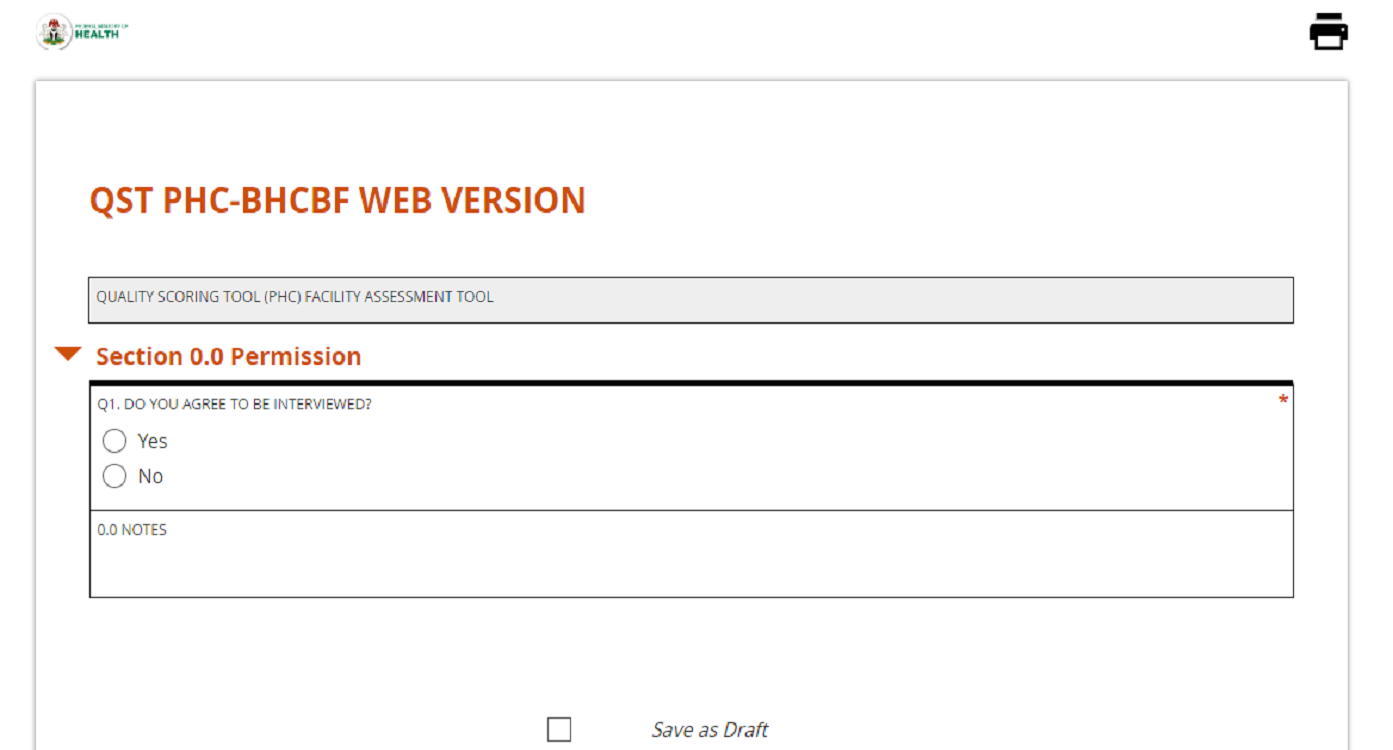
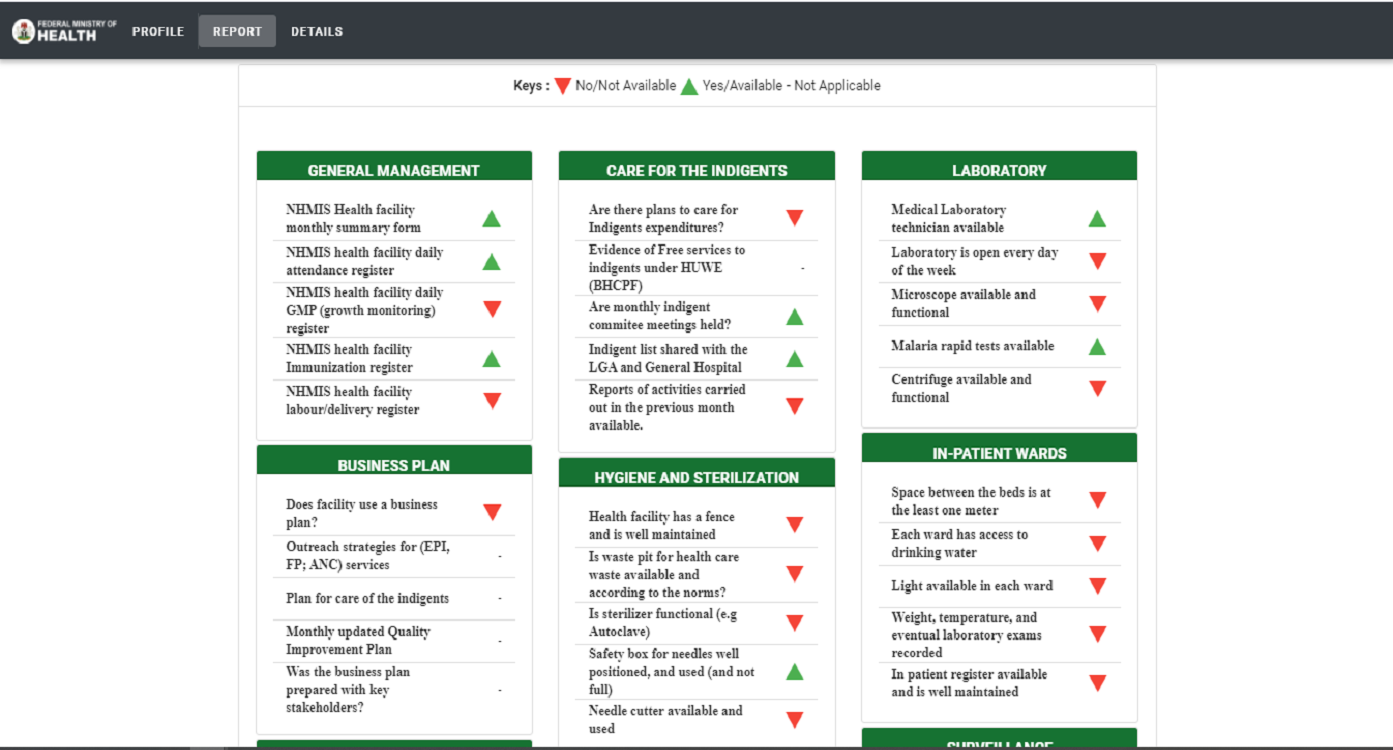
This platform contains the electronic versions of the updated ISS and DQA tools to ensure efficient coordination of ISS and DQA in the country, as well as to ease data collection and analysis. On this platform, data can be collected across the various levels of healthcare, stored, analysed and validated. The data can also be visualized on the data analytics page for more in-depth analysis. This platform is accessible to all health partners and provides the Federal Ministry of Health with a bird’s eye view of ISSs’ being conducted in the country.
The Federal Ministry of Health hopes that in the near future, the benefits of ISS will be fully realized and visualized in the country. We welcome feedback on this platform and urge stakeholders to use this platform for all subsequent ISS and DQA to be conducted.
The Evolution of Free Spins Promotions Through Betzoid South Africa
The landscape of online gaming promotions in South Africa has undergone remarkable transformation over the past decade, with free spins emerging as one of the most popular incentive mechanisms in the industry. These promotional tools have evolved from simple bonus structures into sophisticated marketing instruments that reflect broader changes in player preferences, technological capabilities, and regulatory frameworks. Understanding this evolution provides valuable insight into how the South African online gaming market has matured and adapted to meet the demands of an increasingly discerning player base.
The Early Days of Free Spins in South African Online Gaming
When free spins first appeared in the South African online gaming landscape, they were relatively straightforward offerings with minimal variation. Early promotions typically provided a fixed number of spins on predetermined games, often with restrictive wagering requirements that made actual withdrawals challenging. These initial offerings were primarily designed to introduce players to new game titles rather than serve as genuine value propositions. The promotional structure was rigid, with little consideration for player preferences or gaming habits.
During this formative period, platforms operated with limited personalization capabilities. Free spins promotions were distributed uniformly across player segments, regardless of individual playing patterns or preferences. The games eligible for these promotions were typically selected based on operator agreements with software providers rather than player demand. Wagering requirements often reached 50 times or higher, creating significant barriers between the promotional offer and actual player benefit. This approach reflected an industry still finding its footing in understanding what South African players truly valued.
The technological infrastructure supporting these early promotions was equally basic. Manual verification processes were common, and players often experienced delays in receiving their promotional spins. The lack of sophisticated tracking systems meant that operators had limited data on promotion effectiveness, making it difficult to refine offerings based on actual performance metrics. This period established the foundation for what would become a much more sophisticated promotional ecosystem.
Technological Advancement and Personalization
The maturation of data analytics and customer relationship management systems fundamentally altered how free spins promotions were conceived and delivered. Platforms began leveraging player data to create segmented promotional strategies that recognized different player types and preferences. This shift marked a transition from one-size-fits-all approaches to targeted campaigns that acknowledged the diversity within the player base.
Betzoid South Africa exemplifies this evolutionary trajectory, having developed promotional frameworks that incorporate player behavior analysis, game preference tracking, and engagement history to deliver more relevant free spins offers. The platform’s approach demonstrates how modern operators utilize technology to match promotional offerings with individual player profiles, creating a more personalized experience that enhances both player satisfaction and promotional effectiveness. This methodology represents a significant departure from the blanket promotional strategies that characterized earlier periods.
The integration of mobile technology further accelerated promotional evolution. As smartphone penetration increased across South Africa, free spins promotions needed to function seamlessly across devices. This requirement drove technical innovations in how promotions were activated, tracked, and redeemed. Mobile-optimized promotional interfaces became standard, allowing players to claim and use free spins regardless of their device or location. Push notification systems enabled real-time promotional communication, creating opportunities for time-sensitive offers that capitalized on player availability and engagement patterns.
Artificial intelligence and machine learning algorithms began influencing promotional design, enabling predictive models that could anticipate which types of free spins offers would resonate with specific player segments. These systems analyzed vast datasets encompassing game preferences, playing times, bet sizes, and engagement frequencies to optimize promotional timing and structure. The result was a more efficient promotional ecosystem where offers were more likely to be claimed and utilized, benefiting both players and operators.
Regulatory Influence and Responsible Gaming Integration
The regulatory environment surrounding online gaming in South Africa has played a crucial role in shaping free spins promotions. As oversight mechanisms have developed, promotional practices have been subjected to increased scrutiny regarding fairness, transparency, and responsible gaming considerations. This regulatory attention has driven substantive changes in how free spins are structured and presented to players.
Wagering requirements have become more transparent and, in many cases, more reasonable. Where early promotions might have buried complex terms in lengthy documents, modern offerings typically feature clear, accessible explanations of conditions. Maximum bet limits during wagering, game contribution percentages, and time restrictions are now presented with greater clarity. This transparency reflects both regulatory expectations and an industry recognition that sustainable player relationships require honest communication.
Responsible gaming considerations have become integral to promotional design. Free spins promotions now commonly incorporate features that prevent excessive play, including session limits, reality checks, and integration with self-exclusion systems. Operators have recognized that promotional strategies must balance commercial objectives with player welfare, leading to more measured approaches that prioritize long-term engagement over short-term acquisition. This shift represents a maturation of the industry’s understanding of its social responsibilities.
The verification processes associated with promotional claims have also evolved in response to regulatory requirements. Know Your Customer protocols now intersect with promotional systems, ensuring that free spins are only distributed to verified accounts. This integration serves multiple purposes: it helps prevent fraud, ensures compliance with age restrictions, and creates audit trails that satisfy regulatory oversight. While these requirements add complexity to promotional systems, they contribute to a more secure and trustworthy gaming environment.
Contemporary Trends and Future Directions
Current free spins promotions reflect a sophisticated understanding of player psychology and market dynamics. Gamification elements have been incorporated into promotional structures, with free spins often serving as rewards within broader loyalty programs or achievement systems. This integration creates layered engagement mechanisms where promotions function as components of larger player journeys rather than isolated offers.
The diversity of free spins structures has expanded considerably. Beyond standard promotional spins, the market now features cashback spins with no wagering requirements, tournament-based spin allocations, and tiered systems where spin value increases with player status. Some promotions offer players choice in which games they apply their spins to, recognizing that player autonomy enhances promotional value. These variations demonstrate an industry that has moved well beyond the basic models that characterized its early years.
Social and community elements are increasingly influencing promotional design. Shared promotional pools, referral-based spin allocations, and community challenges that unlock collective benefits represent emerging approaches that leverage social dynamics. These strategies recognize that many players value communal experiences and that promotional structures can facilitate social connection alongside individual reward.
Looking forward, the continued evolution of free spins promotions will likely be shaped by several factors. Blockchain technology and cryptocurrency integration may introduce new promotional mechanisms with enhanced transparency and novel reward structures. Virtual reality and augmented reality gaming experiences could create entirely new contexts for 50 free spins no deposit promotions https://betzoid.com/za/50-free-spins-no-deposit/. Regulatory developments will continue influencing acceptable promotional practices, potentially driving further innovations in responsible gaming integration.
The South African market’s unique characteristics—including its diverse player base, specific regulatory environment, and technological infrastructure—will continue shaping how free spins promotions evolve. Operators that successfully navigate these factors while maintaining focus on genuine player value will likely define the next chapter in this ongoing evolution.
The transformation of free spins promotions from basic marketing tools into sophisticated, personalized engagement mechanisms reflects broader maturation within South Africa’s online gaming industry. This evolution has been driven by technological advancement, regulatory development, and deeper understanding of player preferences. As the market continues developing, free spins promotions will undoubtedly undergo further refinement, shaped by emerging technologies, changing player expectations, and evolving regulatory frameworks. The trajectory suggests an industry increasingly focused on sustainable engagement, transparent practices, and genuine value delivery—a positive development for all stakeholders in the South African online gaming ecosystem.